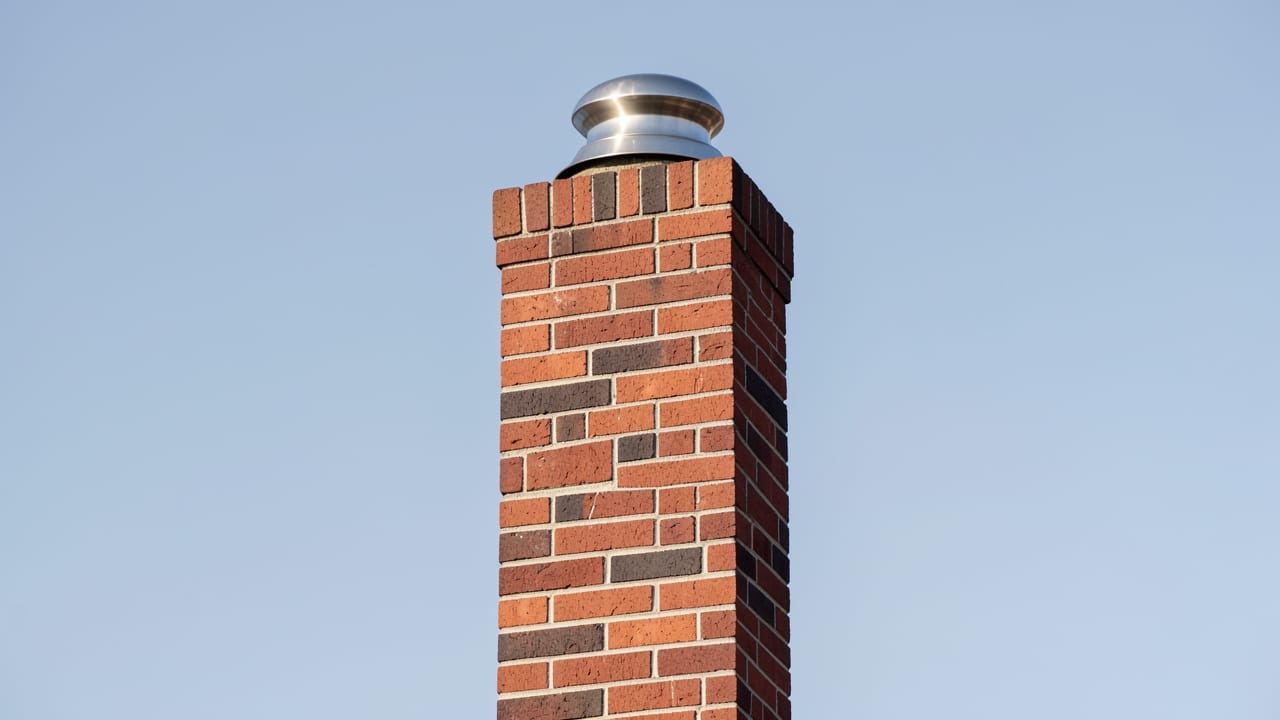
Chimney Exterior Cleaning
Pressure washing to remove soot, dirt, and stains from chimney exteriors.
Chimney exterior cleaning in Elk Grove, CA, uses controlled pressure washing to remove soot, dirt, and mineral deposits from brick, stone, or metal surfaces. This process restores your chimney’s appearance and helps protect masonry from long-term damage caused by grime buildup.
Local experts assess mortar condition and use low-to-medium pressure to avoid accelerating wear while addressing stains and efflorescence safely.
We also handle Driveway & Concrete Cleaning and Roof Washing (Soft Wash) for Elk Grove properties.
When is chimney exterior cleaning needed?
A chimney that looks uniformly dirty or has a greenish-black film may have algae or mildew growth, which spreads faster in shaded or damp areas. Efflorescence—a white, chalky haze—indicates mineral deposits from moisture moving through the masonry, often worse after rain or near downspouts.
Dark staining concentrated in specific spots, like below a roofline, suggests repeated runoff carrying dirt rather than even buildup.
Mortar joints that appear recessed or crumble under light pressure are signs of deterioration. These areas absorb moisture more easily, accelerating further damage and providing a foothold for algae. If your chimney shows these signs, cleaning should factor in joint condition to avoid making wear problems worse.
Signs Your Chimney Needs Cleaning
- White, chalky haze (efflorescence) covering part or all of the surface
- Greenish-black film (algae or mildew) worse on shaded or damp sides
- Dark staining in concentrated spots, like below downspouts or rooflines
- Mortar joints that look recessed or crumble when touched lightly
- Visible soot or grime buildup that hasn’t faded after rain or seasonal changes
What affects pricing and timing?
The size and material of your chimney—brick, stone, or metal—determine the time and technique needed. Older or softer masonry requires lower pressure and more careful handling to avoid pitting or joint erosion.
Efflorescence and organic stains may need a masonry-safe chemical treatment before rinsing, adding time to the process. Accessibility, such as ladders or scaffolding requirements, can also impact labor costs.
Seasonal factors play a role: washing masonry before freezing temperatures risks trapping moisture in the material, leading to freeze-thaw cracks. Scheduling in mild weather ensures proper drying time and avoids potential damage. Local Elk Grove conditions, like humidity or recent rain, may also influence when cleaning is most effective.
| Factor | Impact on Pricing/Timing |
|---|---|
| Chimney material (brick, stone, metal) | Softer or older masonry increases labor time and requires lower pressure settings |
| Presence of efflorescence or algae | Chemical treatment and extra rinsing add time and may require specialized solutions |
| Mortar joint condition | Crumbling or recessed joints need gentler handling, slowing the process |
| Accessibility (height, ladder/scaffold needs) | Higher structures or difficult access increase labor costs |
| Seasonal timing (avoiding freeze-thaw risk) | Cleaning in cold months may require adjustments or rescheduling |
Before and after cleaning: what to expect
Before cleaning begins, a professional inspects mortar joints for recession or crumbling, as these areas require lower pressure to avoid further damage. The chimney is pre-treated with a masonry-safe solution to break down efflorescence, algae, or staining without scrubbing, which can pit softer surfaces.
During the wash, pressure is directed across the face of the brick or stone—not into the joints—to preserve mortar integrity.
After rinsing, joints are re-inspected for any deterioration revealed by the cleaning process. A vapor-permeable sealer may be applied to reduce future moisture absorption, though this is optional and depends on the chimney’s condition.
Homeowners should expect the chimney to look significantly cleaner, with stains and haze removed, though some natural color variation may remain.
To keep your chimney cleaner longer, redirect downspouts and sprinklers away from the wall to prevent repeated moisture buildup. Trim mulch or plants close to the base to reduce ground moisture, which contributes to efflorescence. Avoid sealing with non-breathable products, as these can trap moisture inside the masonry, worsening long-term damage.
How chimney exterior cleaning works
Cleaning a chimney exterior involves careful pressure washing to remove grime while protecting masonry.
- 1Inspect Mortar and Surface
A professional checks mortar joints for crumbling or recession and assesses the brick or stone hardness. Softer or older materials require lower pressure to avoid pitting or joint erosion.
- 2Apply Masonry-Safe Solution
A chemical treatment breaks down efflorescence, algae, and staining without aggressive scrubbing. This step ensures stains lift without damaging the surface texture.
- 3Pressure Wash at Controlled Settings
Low-to-medium pressure is used, directed across the brick face—not into joints—to preserve mortar. Corners and edges receive closer attention to balance cleaning and wear prevention.
- 4Rinse and Re-Inspect Joints
The chimney is rinsed to remove loosened residue, and mortar joints are checked again for any new signs of deterioration, especially after cleaning reveals hidden damage.
- 5Optional Sealing (If Needed)
A vapor-permeable sealer may be applied to reduce future moisture absorption, though this is only recommended if the chimney’s condition allows for it.
Frequently asked questions
Will pressure washing damage my chimney’s mortar or brick?
Pressure washing is adjusted based on mortar and brick condition. Professionals use lower settings for older or softer masonry and avoid directing pressure straight into joints, which can accelerate erosion. A pre-cleaning inspection helps determine the safest method for your chimney.
Can chimney exterior cleaning remove efflorescence permanently?
Efflorescence is treated with a masonry-safe solution to dissolve mineral deposits, but it may return if moisture continues to travel through the chimney. Addressing the source—like redirecting downspouts or improving drainage—helps reduce future buildup.
Is it safe to clean my chimney in winter?
Washing masonry before freezing temperatures can trap moisture in the material, leading to freeze-thaw cracks. Cleaning is best done in mild weather to allow proper drying and avoid potential damage.
How often should I clean the exterior of my chimney?
There’s no strict schedule, but inspect your chimney annually for signs of staining, efflorescence, or mortar deterioration. Cleaning every 2–3 years or as needed helps maintain appearance and protect masonry from long-term damage.
Where Elk Grove sits, and what the Census lists nearby
Elk Grove sits in California, and the closest places listed in the U.S. Census Gazetteer are Florin (4.8 miles north), Vineyard (5.3 miles northeast), Franklin (5.3 miles southwest), Parkway (6.9 miles northwest). Within 25 miles of Elk Grove the same source lists 53 distinct incorporated places and census-designated places.
Those figures matter for chimney exterior cleaning because they are straight-line distances between Census coordinate points: road mileage between Elk Grove and Florin runs longer than the 4.8 miles shown, which is why quotes for the same job differ between towns that look close together on a map.
Source: U.S. Census Bureau Gazetteer.
See Florin, CA for more, or discover our full Elk Grove-area coverage in detail for our complete lineup.
Ready to get started?
Talk to a local pressure washing pro in Elk Grove — get a written quote.
Other Pressure Washing Services in Elk Grove
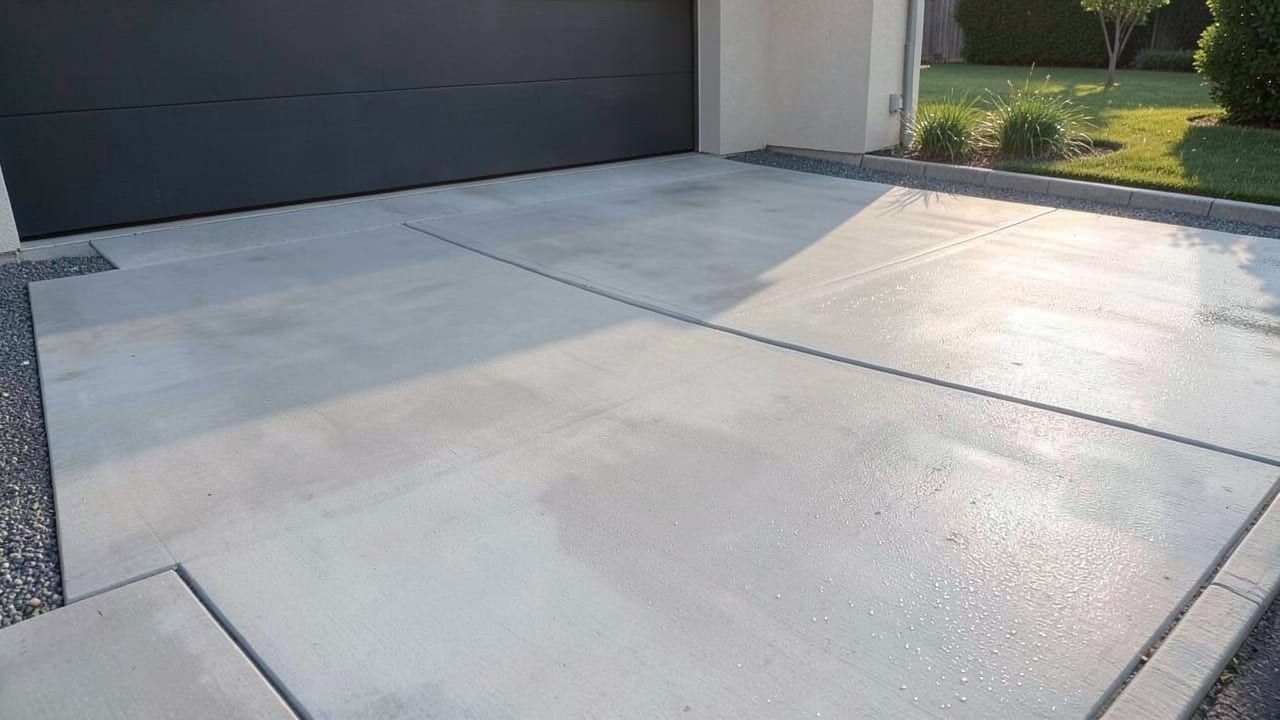
Driveway & Concrete Cleaning in Elk Grove, CA
Pressure washing for driveways, walkways, and patios in Elk Grove, CA — lifts oil stains, tire marks, and dust film and hard-water mineral deposits from concrete.
Learn More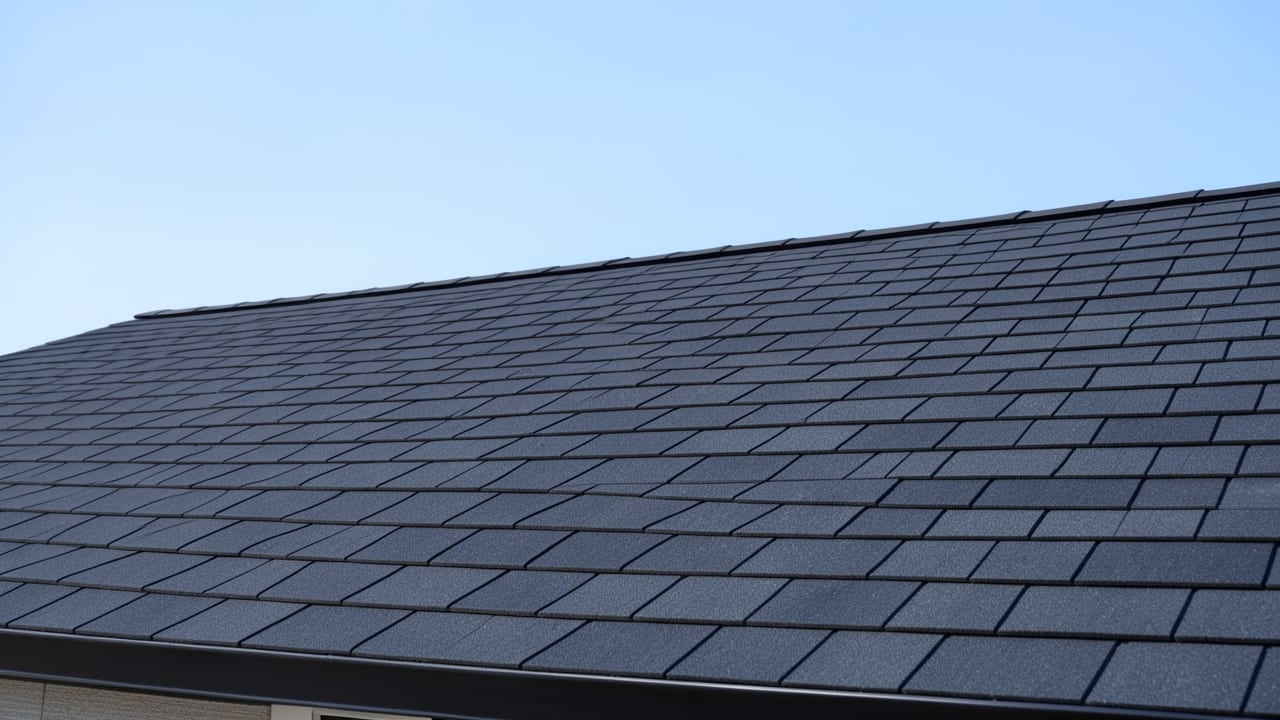
Roof Washing (Soft Wash) in Elk Grove, CA
Low-pressure soft-wash roof cleaning in Elk Grove, CA removes algae streaks without damaging shingles.
Learn More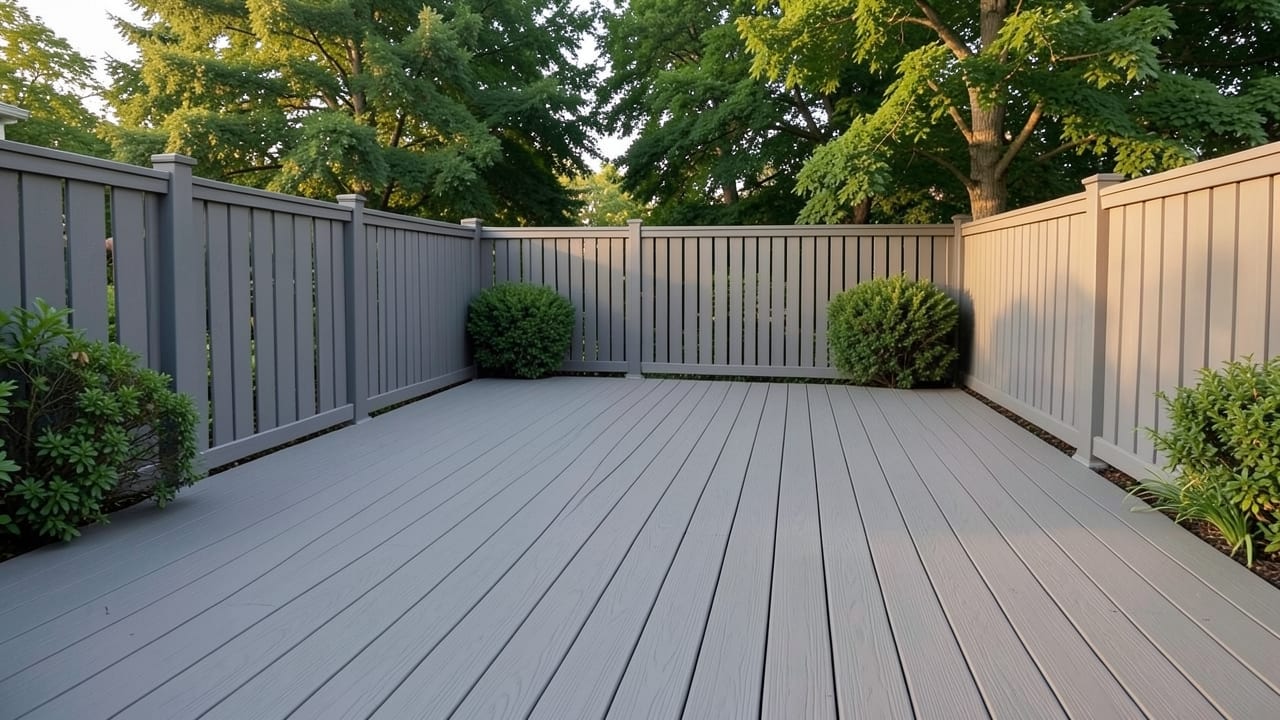
Deck & Fence Cleaning in Elk Grove, CA
Wood and composite deck and fence cleaning in Elk Grove, CA — restores surfaces before staining or sealing.
Learn More
Gutter Cleaning in Elk Grove, CA
Gutter and downspout cleaning in Elk Grove, CA to clear leaf buildup and keep water flowing away from the foundation.
Learn More
Window Cleaning in Elk Grove, CA
Exterior window and window-frame cleaning in Elk Grove, CA, often bundled with a full house wash.
Learn More
Commercial Pressure Washing in Elk Grove, CA
Pressure washing for storefronts, parking lots, and commercial properties in Elk Grove, CA.
Learn MoreCommon Questions About Pressure Washing in Elk Grove
Everything you need to know about pressure washing services in Elk Grove
How much does Chimney Exterior Cleaning typically cost in Elk Grove, CA?
Does winter road salt affect driveway washing needs in Elk Grove, CA?
What's the actual difference between pressure washing and soft washing?
How often should a home's exterior actually be washed?
Are the cleaning chemicals used in soft washing safe for landscaping and pets?
Would home insurance cover damage caused by improper pressure washing?
Need Pressure Washing in Elk Grove?
Get a written quote from our Elk Grove crew.
⏰ We answer your call • Serving all of Elk Grove and surrounding areas