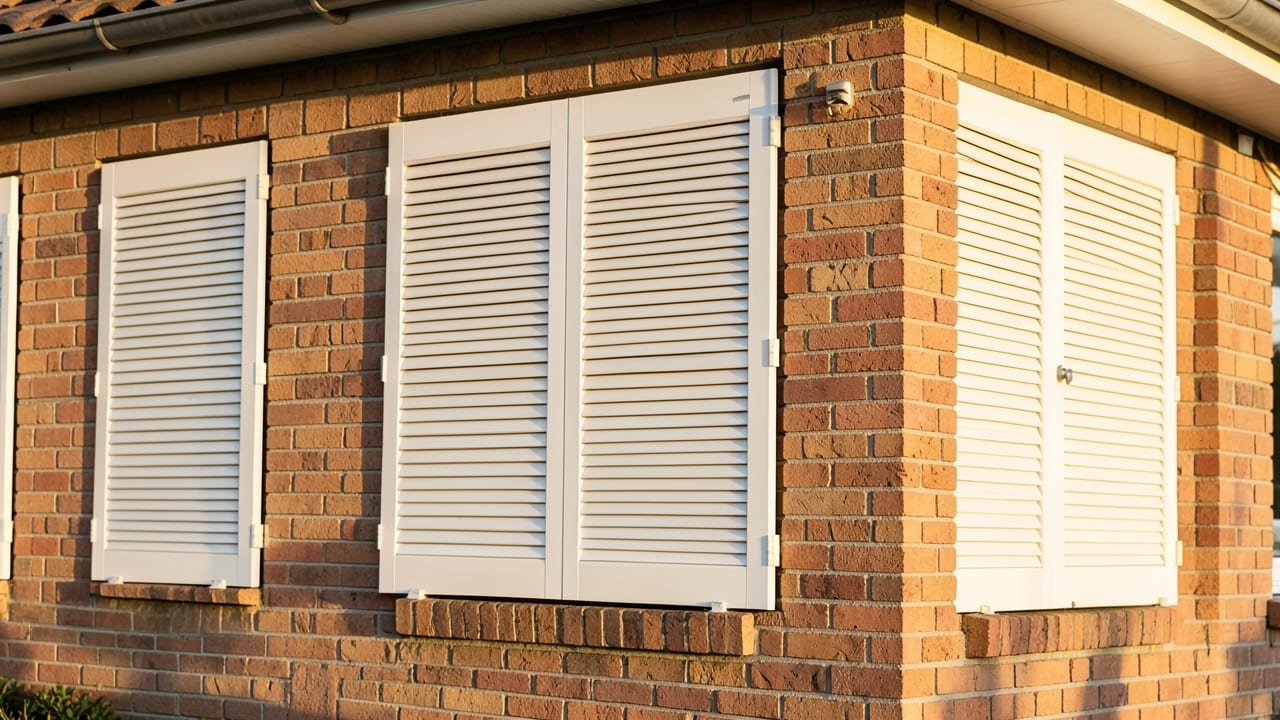
Shutter Cleaning
Professional pressure washing to remove dirt, grime, and debris from exterior shutters.
Shutter cleaning in Elk Grove, CA, restores the appearance of your home’s exterior shutters by removing built-up dirt, pollen, and mildew using pressure washing techniques tailored to the material—vinyl, wood, or aluminum.
This service helps prevent long-term damage from grime buildup while enhancing curb appeal, and it’s performed with care to protect nearby landscaping and surfaces.
We also handle Salt Deposit Removal and Spring Pollen Removal for Elk Grove properties.
When to clean your shutters
Shutters often accumulate grime gradually, making it easy to overlook until the buildup is noticeable. Look for green or black streaking on shaded sides of your home, which typically indicates algae or mildew rather than simple dirt.
These stains spread over time if left untreated. Another sign is a fine chalky residue when running your hand across the surface, which suggests oxidation or accumulated grime.
Check for cobwebs, dirt, and insect debris collecting in corners, under eaves, and around light fixtures—these are early indicators that your shutters may need cleaning.
Removing mounted items like house numbers or small planters and comparing the covered area to the exposed surface can also reveal how much the rest of the shutters have faded or dirtied over time.
Signs Your Shutters Need Cleaning
- Green or black streaking on shaded or north-facing shutters (algae or mildew).
- Fine chalky residue when touching the surface (oxidation or grime buildup).
- Cobwebs, dirt, or insect debris in corners, under eaves, or around fixtures.
- Uneven fading or discoloration when comparing covered vs. exposed areas.
What affects shutter cleaning results
The material of your shutters—vinyl, wood, or aluminum—determines the cleaning method and pressure used to avoid damage. For example, vinyl shutters require lower pressure than aluminum to prevent seams from splitting or the finish from stripping.
Additionally, nearby vegetation, sprinkler placement, and gutter overflow can accelerate grime buildup, making some areas dirtier faster than others.
Shaded or north-facing shutters tend to stay damp longer, which encourages algae and mildew growth. Keeping gutters clear and trimming back plants that touch the siding can slow down how quickly dirt re-establishes after cleaning. These factors influence how often cleaning is needed and the effectiveness of the process.
| Factor | Effect on Cleaning |
|---|---|
| Shutter Material | Determines pressure and chemical compatibility (vinyl vs. wood vs. aluminum). |
| Nearby Vegetation | Shaded or touching plants keep surfaces damp, speeding up algae/mildew regrowth. |
| Sprinkler Placement | Directing water at shutters keeps them wet, encouraging faster dirt buildup. |
| Gutter Condition | Clogged gutters cause water runoff, carrying roof grime onto shutters below. |
Why protection matters during cleaning
Before any pressure washing begins, landscaping near the foundation is wetted down and covered to prevent damage from detergent runoff or overspray. Exterior outlets, fixtures, and plants are also protected, as cleaning solutions can harm nearby surfaces if not contained.
This step is critical to avoid complaints about unintended damage to your property.
The cleaning process itself uses a detergent pre-treatment applied at low pressure to break down algae and mildew chemically. Rinsing at low pressure (under 500 psi) ensures an even finish without forcing water behind seams, which can lead to hidden mold or rot inside the wall cavities later.
Directing a pressure washer wand into siding seams or up under lap edges can force water behind panels, trapping moisture and causing mold or rot over time. Always use low, even pressure and proper technique to clean only the surface.
How shutter cleaning works
Cleaning shutters involves a careful, multi-step process to remove dirt and grime without damaging the material.
- 1Preparation and Protection
Landscaping near the foundation is covered and wetted down, and any exterior outlets or fixtures are bagged to prevent damage from detergent runoff or overspray.
- 2Detergent Pre-Treatment
A cleaning solution formulated for the shutter material is applied at low pressure and left to dwell, breaking down algae and mildew chemically.
- 3Low-Pressure Rinse
The shutters are rinsed using a wide-fan tip at under 500 psi, working top to bottom in overlapping passes to ensure an even finish.
- 4Spot Treatment and Inspection
Areas with heavier stains receive a second, more concentrated pass, and the finished surface is inspected for missed spots or damage.
- 5Final Rinse and Check
A clear-water rinse removes any remaining detergent, and the shutters are walked in daylight to confirm the cleaning is complete and no damage occurred.
Frequently asked questions
How often should shutters be cleaned?
Shutters typically need cleaning every 1–3 years, depending on exposure to shade, moisture, and nearby vegetation. North-facing or shaded shutters may require more frequent attention due to algae and mildew growth.
Can pressure washing damage my shutters?
If done incorrectly, yes—using the wrong pressure or technique can crack vinyl, strip wood finishes, or force water behind panels. A professional uses material-specific methods to avoid damage while cleaning effectively.
Will cleaning my shutters also clean the siding around them?
Shutter cleaning focuses on the shutters themselves, but nearby siding may receive incidental cleaning if it’s directly adjacent. For full siding cleaning, a separate service is typically recommended.
Do I need to remove plants or decorations before shutter cleaning?
Professionals usually cover and protect nearby landscaping, but removing delicate items like hanging plants or outdoor decor is advised to prevent accidental damage from overspray or debris.
Where Elk Grove sits, and what the Census lists nearby
Elk Grove sits in California, and the closest places listed in the U.S. Census Gazetteer are Florin (4.8 miles north), Vineyard (5.3 miles northeast), Franklin (5.3 miles southwest), Parkway (6.9 miles northwest). Within 25 miles of Elk Grove the same source lists 53 distinct incorporated places and census-designated places.
Those figures matter for shutter cleaning because they are straight-line distances between Census coordinate points: road mileage between Elk Grove and Florin runs longer than the 4.8 miles shown, which is why quotes for the same job differ between towns that look close together on a map.
Source: U.S. Census Bureau Gazetteer.
See Parkway, CA for more, or take a look at what's included in our Elk Grove service by neighborhood for our complete lineup.
Ready to get started?
Talk to a local pressure washing pro in Elk Grove — get a written quote.
Other Pressure Washing Services in Elk Grove
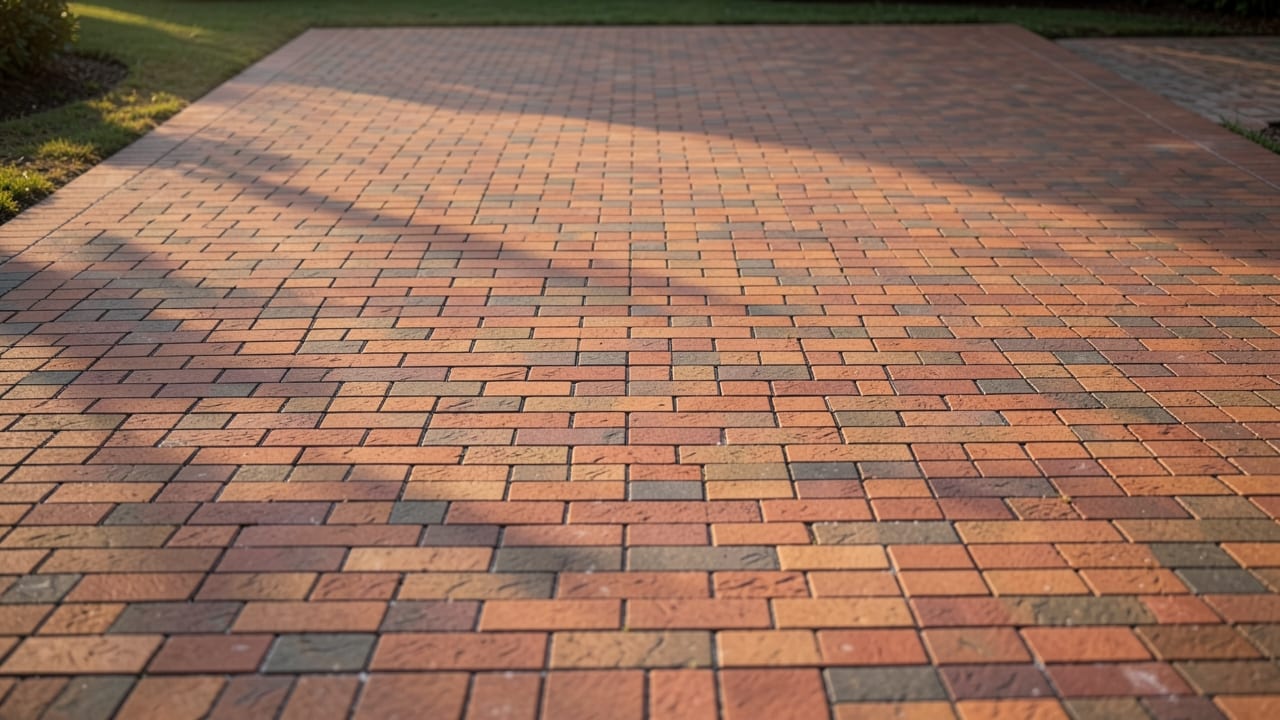
Salt Deposit Removal in Elk Grove, CA
High-pressure washing to remove salt deposits from surfaces like driveways and sidewalks.
Learn More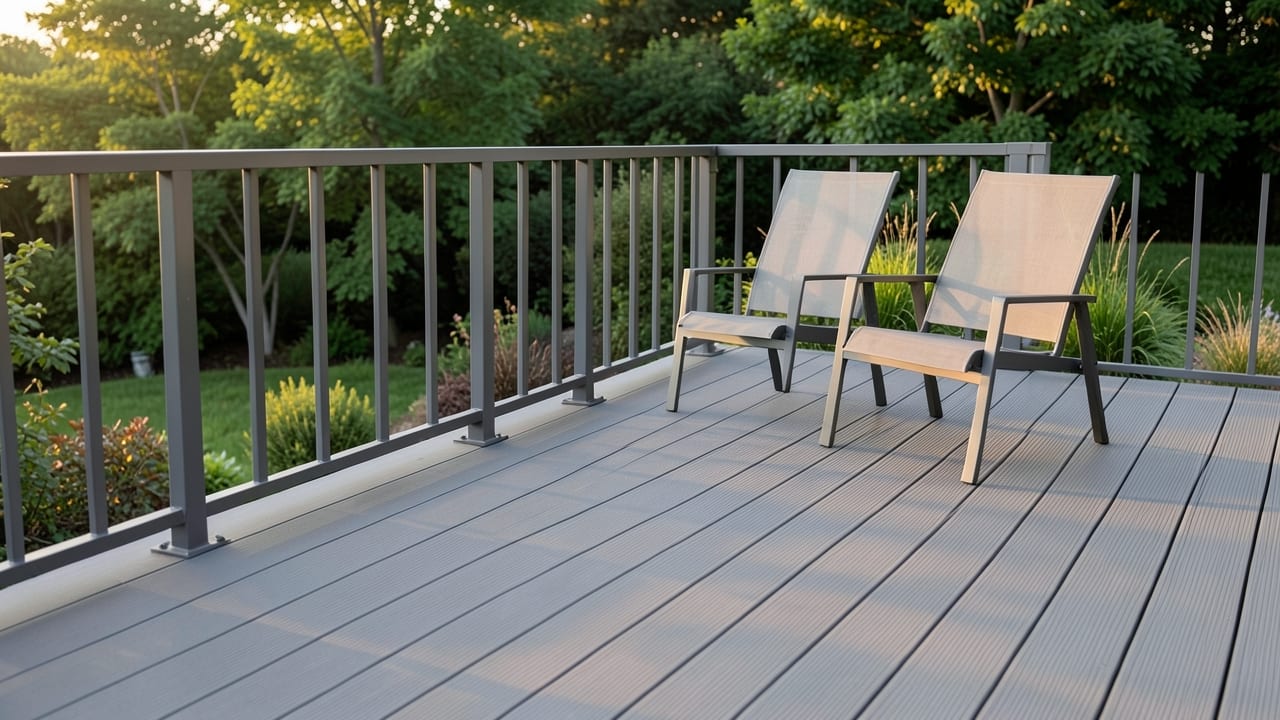
Spring Pollen Removal in Elk Grove, CA
High-pressure washing to remove pollen buildup from exterior surfaces.
Learn More
Pre-Sale Exterior Refresh in Elk Grove, CA
High-pressure cleaning of home exteriors, driveways, decks, and walkways to remove dirt, grime, and stains.
Learn More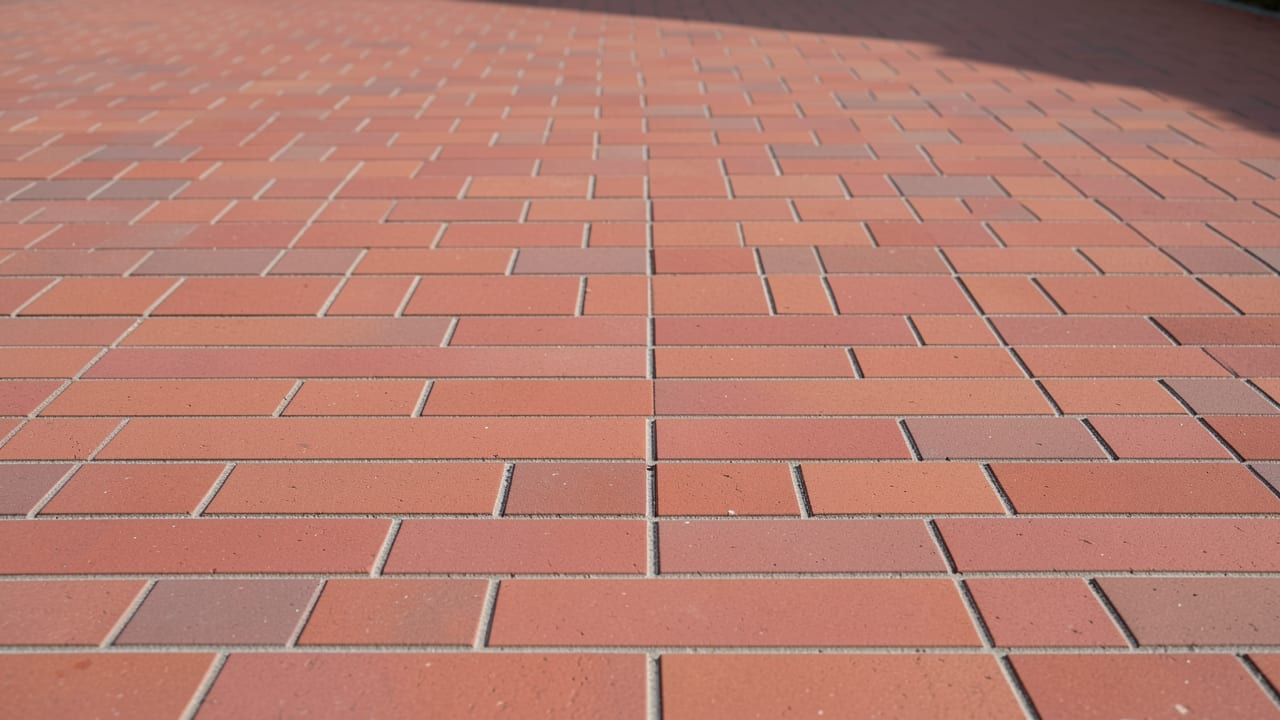
Annual Maintenance Wash in Elk Grove, CA
Yearly pressure washing to remove dirt, grime, and mildew from home exteriors.
Learn More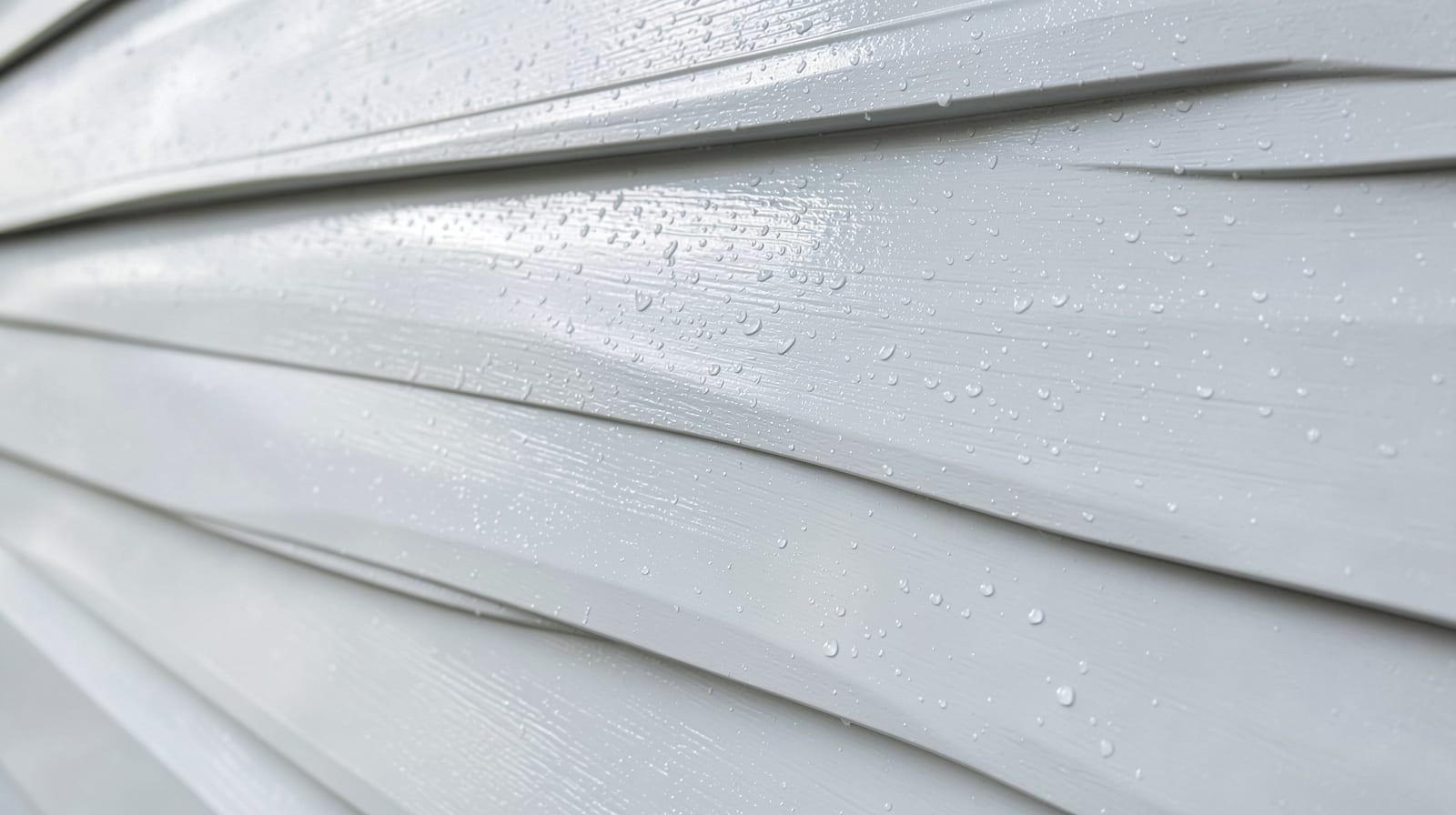
House Washing in Elk Grove, CA
Soft-wash exterior house washing for siding, brick, and stucco in Elk Grove, CA — removes dirt, dust film and hard-water mineral deposits, without damaging the surface.
Learn More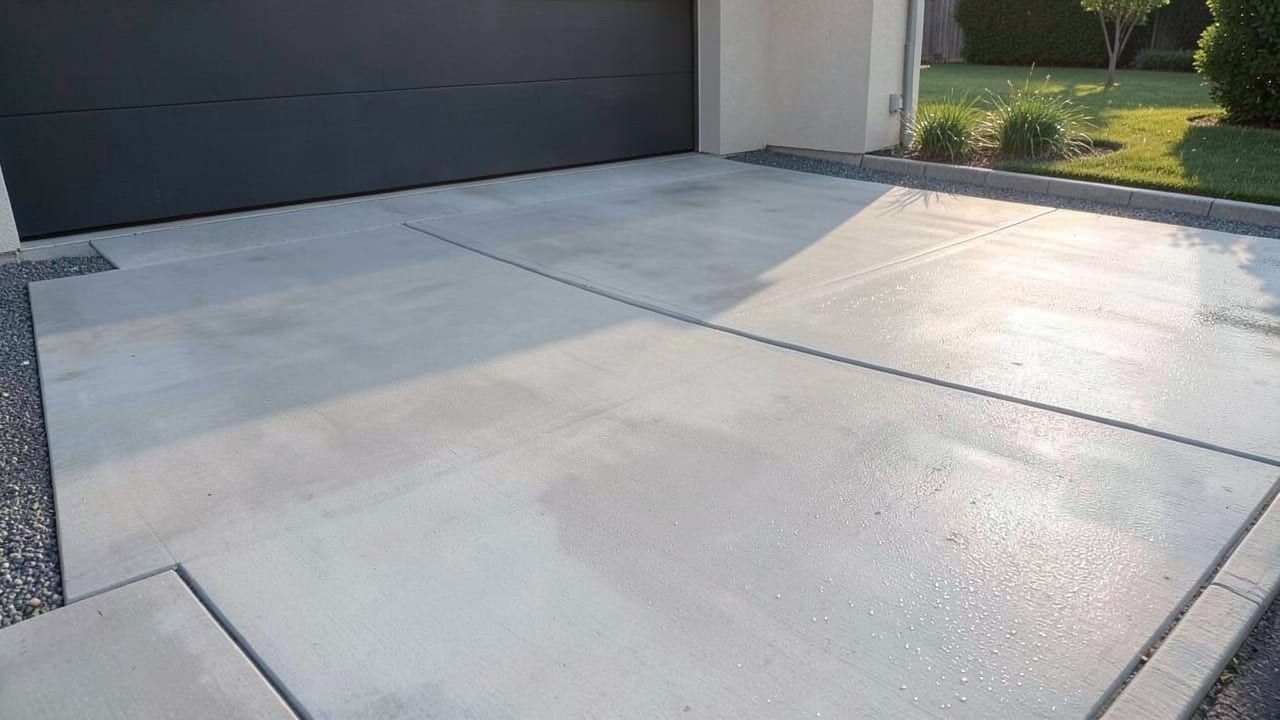
Driveway & Concrete Cleaning in Elk Grove, CA
Pressure washing for driveways, walkways, and patios in Elk Grove, CA — lifts oil stains, tire marks, and dust film and hard-water mineral deposits from concrete.
Learn MoreCommon Questions About Pressure Washing in Elk Grove
Everything you need to know about pressure washing services in Elk Grove
How much does Shutter Cleaning typically cost in Elk Grove, CA?
Does winter road salt affect driveway washing needs in Elk Grove, CA?
Can the wrong PSI actually damage a house or driveway?
What's the actual difference between pressure washing and soft washing?
How often should a home's exterior actually be washed?
Are the cleaning chemicals used in soft washing safe for landscaping and pets?
Need Pressure Washing in Elk Grove?
Get a written quote from our Elk Grove crew.
⏰ We answer your call • Serving all of Elk Grove and surrounding areas