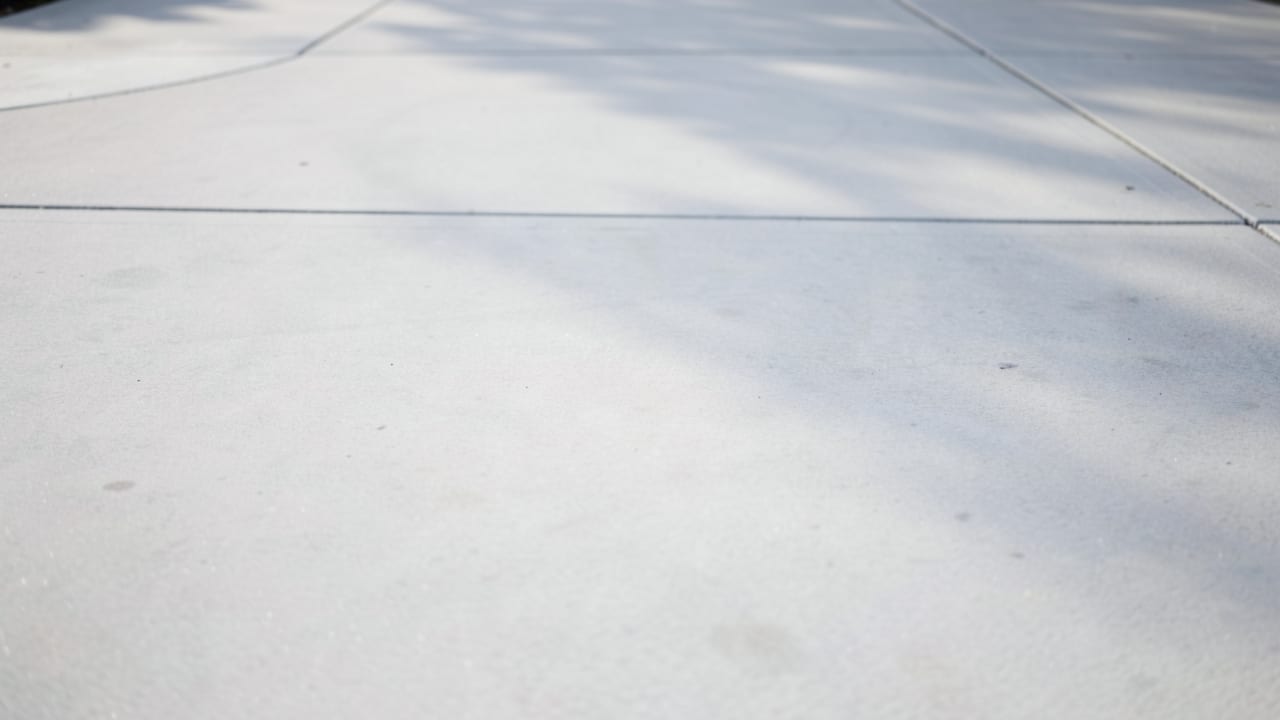
Sidewalk Cleaning
High-pressure washing to remove dirt, grime, and stains from sidewalks and walkways.
In Elk Grove, CA, sidewalk cleaning uses high-pressure water and targeted detergents to restore concrete surfaces by removing deep-seated dirt, oil stains, and organic buildup.
This process improves both curb appeal and safety by eliminating slippery films and uneven wear, while also addressing specific stains like algae, efflorescence, and oil that don’t fade with rain. Proper technique varies by surface type—plain concrete, sealed, or stamped—to avoid damage like etching or discoloration.
We also handle Rental Property Washing and Condo Association Washing for Elk Grove properties.
When sidewalk cleaning is needed
Not all dirt or stains respond the same way to pressure washing. Dark oil or tire stains that spread over time, slick surfaces when wet, or green/black discoloration in shaded areas are signs of deeper issues like algae, mildew, or mineral deposits.
These require chemical treatment and proper technique to avoid worsening the problem. Plain water or light sweeping won’t remove them.
Efflorescence—a white, powdery haze—is a mineral buildup that appears after water evaporates from concrete. It’s harmless but unsightly and often mistaken for dust. Unlike organic stains, it doesn’t respond to pressure alone and may reappear if the underlying moisture issue isn’t addressed.
Identifying the type of stain helps determine the right approach for your sidewalk.
Signs Your Sidewalk Needs Professional Cleaning
- Dark stains that spread at the edges over time (oil, grease, or rust).
- A noticeably slick surface when wet, beyond normal wet concrete (algae or mildew film).
- Green or black discoloration in shaded corners or low spots (organic growth).
- White, powdery residue on the surface (efflorescence, not dust).
- Visible streaks or uneven texture from past DIY pressure washing (etching).
What affects pricing and results
Pricing for sidewalk cleaning in Elk Grove varies based on the size of the area, the type of concrete (plain, sealed, or stamped), and the severity of staining.
Plain concrete typically requires less time and lower detergent use than sealed or decorative surfaces, which need gentler pressure to avoid damaging the finish. Additional steps like sealing or treating stubborn stains can also impact the total cost.
The method used—pressure washing vs. soft washing—depends on the surface. Plain concrete can handle higher pressure, while sealed or stamped concrete often requires a lower-pressure, detergent-based approach to prevent discoloration or surface damage. Always confirm the method and pressure settings for your specific sidewalk material before proceeding.
Preparation and aftercare for longer-lasting results
Prompt cleanup of fresh oil or fluid spills makes a significant difference in how deeply they penetrate concrete. Wiping up spills within a day reduces staining far more than pressure washing can later.
Similarly, improving drainage in low spots—where water pools after rain—helps prevent algae and mildew buildup, as these organisms thrive in damp conditions.
After professional cleaning, applying a penetrating or film-forming sealer fills the pores in the concrete, making it harder for future stains, oil, and organic matter to take hold. Routine sweeping also prevents leaves and debris from decomposing into the surface, which can lead to set-in staining over time.
Clear the area of toys, outdoor furniture, and plants near the sidewalk to avoid damage from runoff or detergent. Directing runoff away from storm drains and planting beds helps protect landscaping and prevents chemical buildup in soil.
How sidewalk cleaning works
- 1Surface Assessment
The concrete is inspected to identify its type—plain, sealed, or stamped—and the specific stains present. This determines the pressure setting and detergent used to avoid damage or ineffective cleaning.
- 2Detergent Application
A degreasing or stain-lifting solution is applied to oil, tire marks, and organic stains, then left to dwell. This step is critical for lifting embedded stains rather than spreading them further.
- 3Pressure Cleaning Passes
The surface is cleaned in overlapping passes with a surface cleaner attachment held at a consistent distance and angle. This ensures an even finish without the ringed or striped patterns a handheld wand can leave.
- 4Edge and Detail Finishing
Expansion joints, edges, and corners are cleaned separately at a lower pressure to avoid etching. These areas are often missed by larger attachments and require careful attention.
- 5Rinse and Runoff Containment
A final clear-water rinse removes detergent residue, and runoff is directed away from drains and planting beds to prevent chemical buildup or landscaping damage.
Frequently asked questions
Will pressure washing damage my sealed or stamped concrete?
Sealed or stamped concrete requires lower pressure than plain concrete to avoid discoloration or losing its finish. Always confirm the method and pressure settings with your service provider before starting the job.
How do I know if my sidewalk has algae or just dirt?
Algae creates a slick, often green or black film that feels slippery when wet, especially in shaded or low-lying areas. Dirt or dust typically washes away with rain and doesn’t leave a noticeable residue.
Can I pressure wash my sidewalk myself, or should I hire a professional?
DIY pressure washing can work for plain concrete, but sealed or stamped surfaces risk damage if the wrong pressure or detergent is used. Professionals also have the equipment to handle runoff and treat stubborn stains effectively.
How often should I clean my sidewalk to keep it looking new?
Routine sweeping prevents debris buildup, while professional cleaning every 1–2 years helps maintain appearance and safety. Frequency depends on traffic, climate, and local conditions like rain or vehicle exposure.
Where Elk Grove sits, and what the Census lists nearby
Elk Grove sits in California, and the closest places listed in the U.S. Census Gazetteer are Florin (4.8 miles north), Vineyard (5.3 miles northeast), Franklin (5.3 miles southwest), Parkway (6.9 miles northwest). Within 25 miles of Elk Grove the same source lists 53 distinct incorporated places and census-designated places.
Those figures matter for sidewalk cleaning because they are straight-line distances between Census coordinate points: road mileage between Elk Grove and Florin runs longer than the 4.8 miles shown, which is why quotes for the same job differ between towns that look close together on a map.
Source: U.S. Census Bureau Gazetteer.
See Sacramento, CA for more, or take a look at everything on offer in Elk Grove in one place for our complete lineup.
Ready to get started?
Talk to a local pressure washing pro in Elk Grove — get a written quote.
Other Pressure Washing Services in Elk Grove
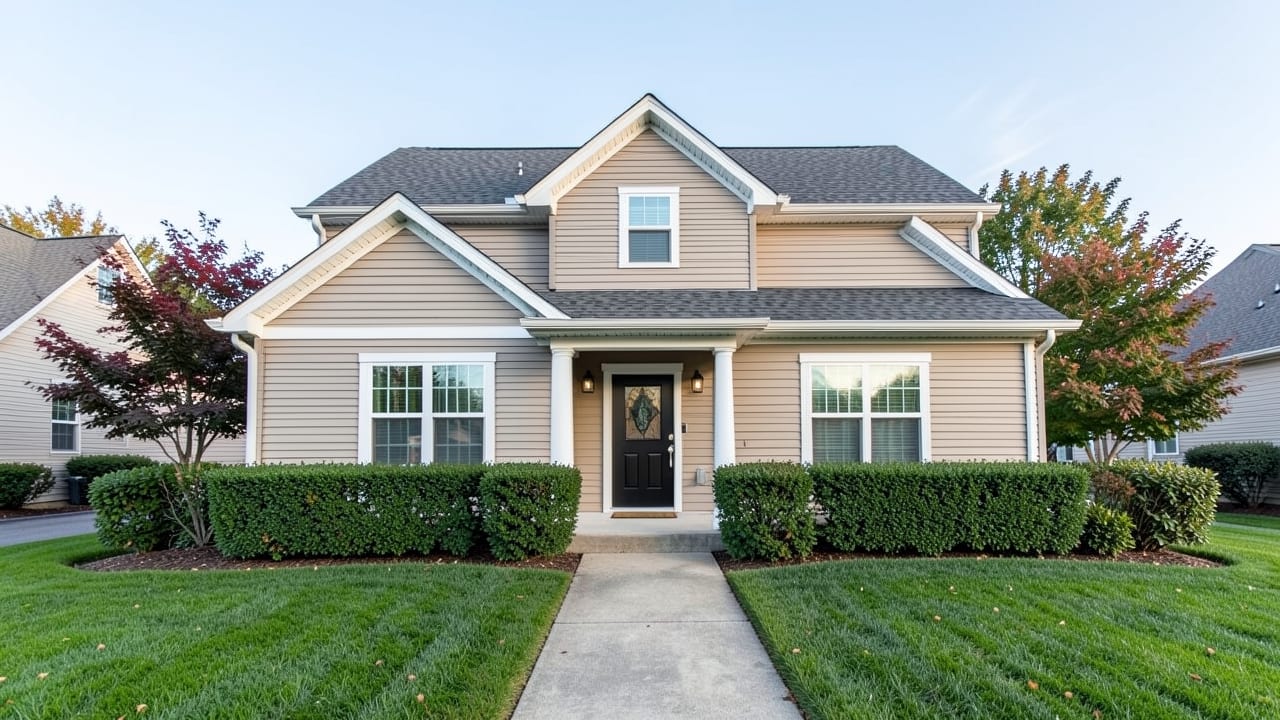
Rental Property Washing in Elk Grove, CA
High-pressure cleaning of rental property exteriors to remove dirt, grime, and mold.
Learn More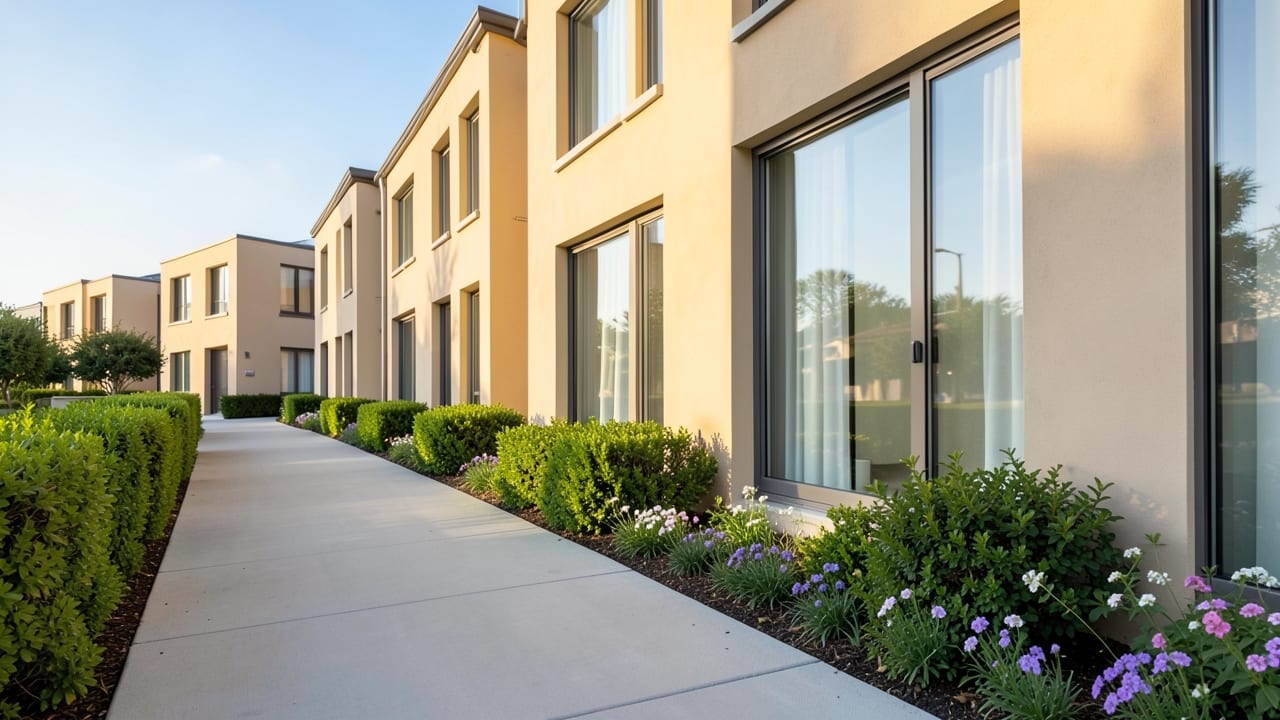
Condo Association Washing in Elk Grove, CA
High-pressure cleaning of condo association exteriors, walkways, and common areas to remove dirt and grime.
Learn More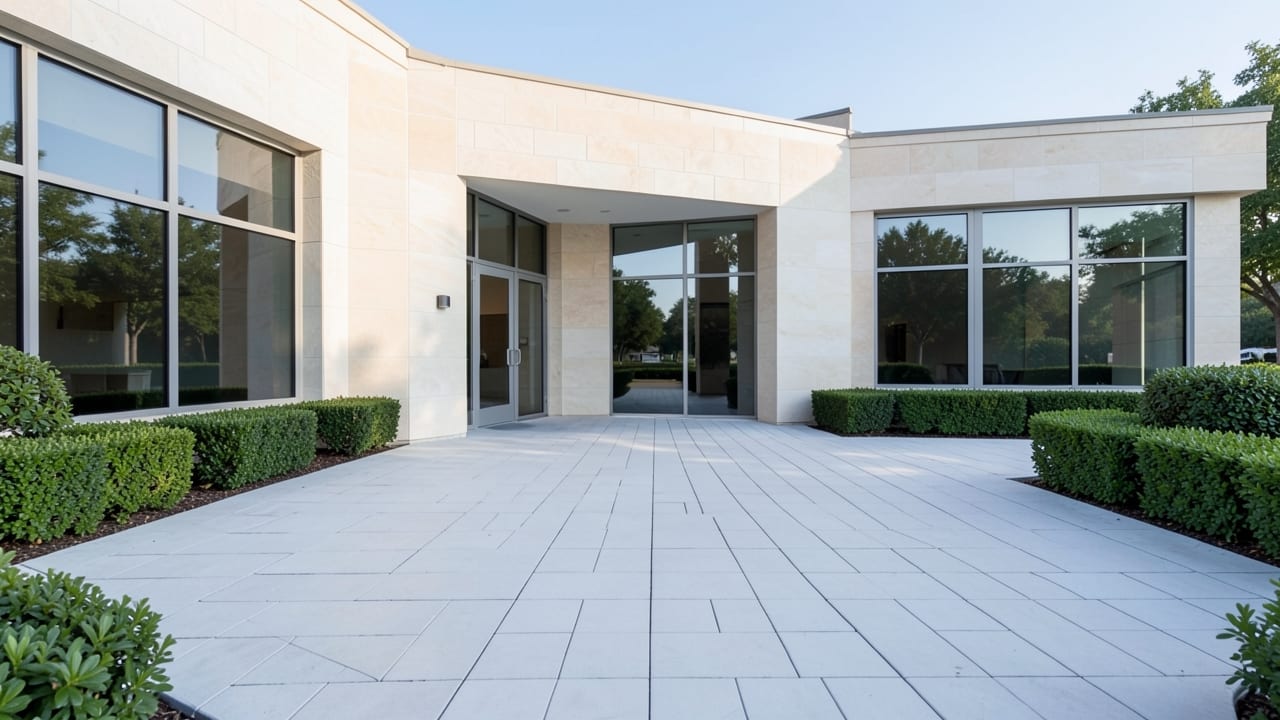
HOA Common Area Washing in Elk Grove, CA
Pressure washing HOA common areas like sidewalks, playgrounds, and entryways to remove dirt and grime.
Learn More
New Construction Final Clean in Elk Grove, CA
Thorough post-construction cleanup using pressure washing to remove debris, dust, and residue from new builds.
Learn More
Hard Water Stain Removal in Elk Grove, CA
Pressure washing to remove hard water stains from exterior surfaces.
Learn More
Salt Deposit Removal in Elk Grove, CA
High-pressure washing to remove salt deposits from surfaces like driveways and sidewalks.
Learn MoreCommon Questions About Pressure Washing in Elk Grove
Everything you need to know about pressure washing services in Elk Grove
How much does Sidewalk Cleaning typically cost in Elk Grove, CA?
Does winter road salt affect driveway washing needs in Elk Grove, CA?
Can pressure washing strip paint or an existing sealant off a surface?
Is renting a pressure washer and doing the job at home a reasonable option?
How long does washing a typical house exterior take?
Can pressure washing damage concrete, pavers, or mortar joints?
Need Pressure Washing in Elk Grove?
Get a written quote from our Elk Grove crew.
⏰ We answer your call • Serving all of Elk Grove and surrounding areas